Connect Odoo to Your Technology Ecosystem—and Keep Data Moving Without Duplication
Odoo Integration That Connects Operations and Data
We design a secure, clear flow of information between Odoo and the systems your business relies on.
Make Your Systems Work as One
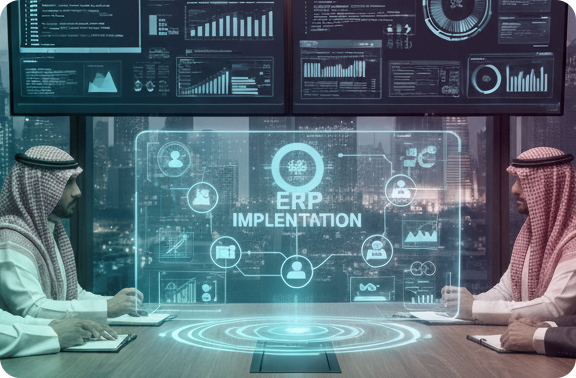
When systems work in isolation, data is duplicated, orders are delayed, and errors become difficult to trace.
We define the source of truth, flow direction, synchronization timing, and exceptions for every data type.
We review APIs, permissions, and technical limits before committing to an integration scope.
We test normal flows, failures, duplicates, and invalid data.
We add logs, alerts, and retry mechanisms so integration health is visible.
We document field mappings, ownership, operations, and support procedures for easier maintenance.
The result: less manual entry, more accurate data, and faster order and payment cycles.
When Do You Need Odoo Integration?

Odoo Integration Areas

eCommerce
Sync products, orders, inventory, and customers between your store and Odoo.

Payments and Billing
Connect payment status, invoices, and notifications in line with your process and security requirements.

Shipping and Tracking
Pass shipping details, track status, and update orders without duplicate entry.

Customers and CRM
Connect customer, opportunity, and service-request data with clear ownership of each record.

Human Resources
Exchange employee, attendance, and related process data under defined permissions.

Finance and Accounting
Connect banking and accounting systems with clear reconciliation and review rules.

Data and Internal Systems
Integrate data warehouses, analytics tools, and technically available internal systems.
Questions to Resolve Before Building
It depends on the availability of a reliable API or data-exchange method and appropriate permissions. We begin with a technical review of both sides.
No. We set direction according to the business process and source of truth. Unnecessary two-way sync adds complexity and risk.
We define the owner of each data type and how duplicate or conflicting records will be handled before building.
We design logs, alerts, and safe retries, with a clear procedure for reviewing pending transactions.
Cost depends on scenarios, fields, API quality, security, data volume, error handling, and monitoring needs.

Our Integration Method
A secure, documented integration—from defining the use case to monitoring and support.

Define the Integration Scenario
Identify the Trigger
Define when data exchange starts and the expected result of each scenario.
Map the Data
Document fields, direction, frequency, and expected volume.
Plan Exceptions
Agree how duplicates, conflicts, and outages will be handled.

Review Interfaces and Contract
Inspect the API
Review documentation, permissions, rate limits, test access, and costs.
Map the Fields
Define transformations, matching identifiers, and the source of truth for each field.
Agree on Scope
Document responsibilities, success criteria, and integration boundaries.

Security and Build
Authentication and Access
Use suitable authentication, least-privilege access, and secure secret management.
Protect the Data
Define encryption and privacy requirements and keep sensitive data out of logs.
Build the Flows
Develop the agreed scenarios with handling for failures, duplicates, and invalid data.

Test and Launch
Test the Scenarios
Test normal flow, outages, retries, and reconciliation between systems.
Acceptance Criteria
Review results with your team and document test cases before activating the integration.
Monitored Launch
Enable logs and alerts, and watch integration health and errors closely at launch.

Documentation and Support
Operating Map
Deliver a map of the flow, fields, and systems that own the data.
Incident Procedures
Document retries, outage response, and future API changes.
Ongoing Maintenance
Define monitoring ownership and a maintenance plan for the integration.
Request an Integration Assessment

ماذا بعد؟
We receive your request with the system name and data you need to exchange.
We review available interfaces, permissions, and scenario priorities.
We meet to define the source of truth, sync direction, and exception handling.
We recommend a design and next step for assessing scope and cost.
Start With an Integration Assessment
Tell us the platform and information you need to exchange. We will assess feasibility and recommend the right integration design.
Have a System That Operates Separately From Odoo?
Request an Integration Assessment